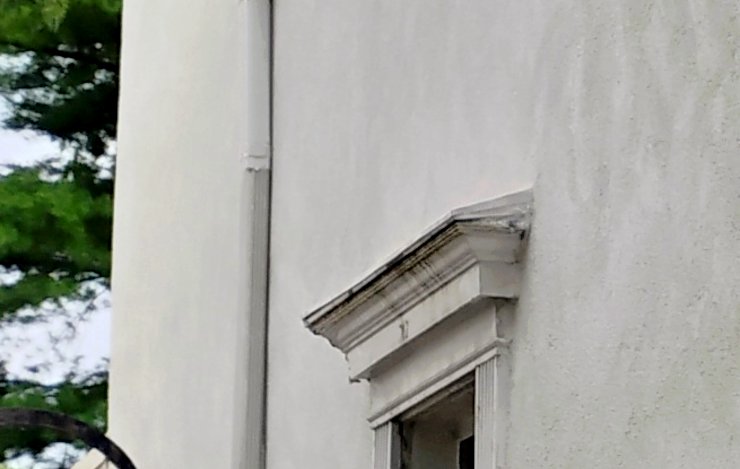
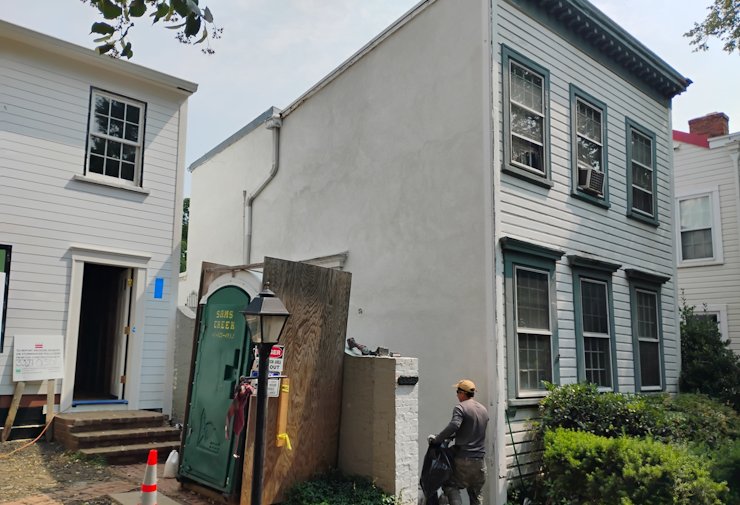
Stucco replaced on this 1860 house
in Georgetown,
Washington, DC
Here's how we did it:
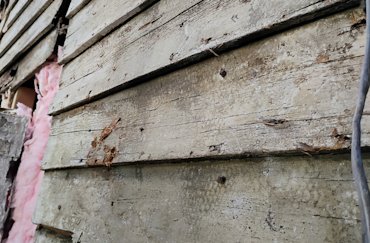
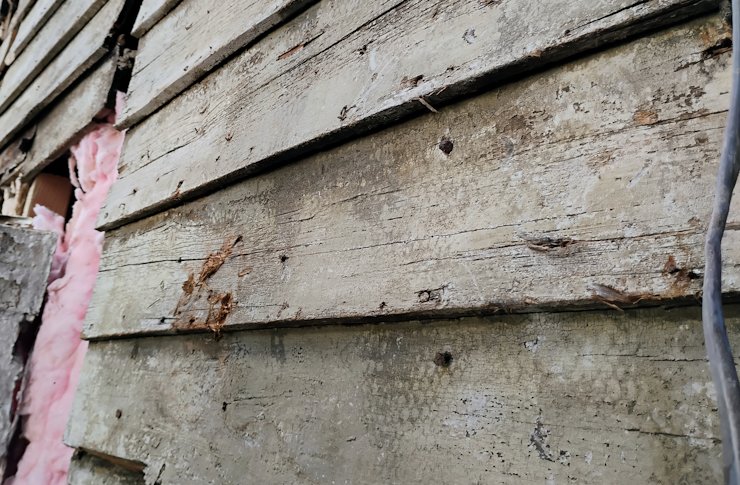
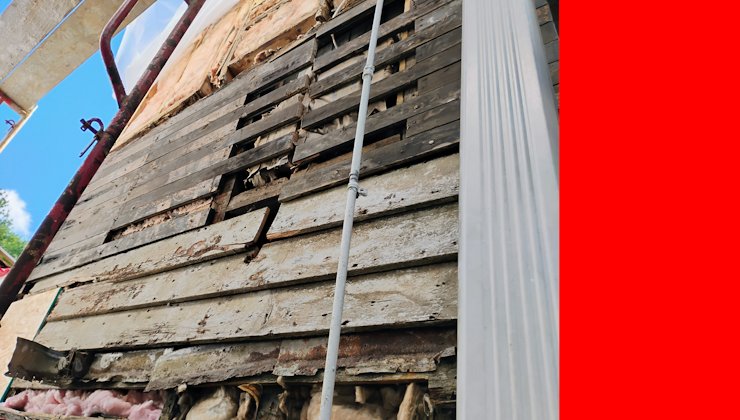
Metal lath and stucco was put on this original wood clapboard siding. This wood clapboard siding was probably made here in Georgetown in a water powered sawmill.
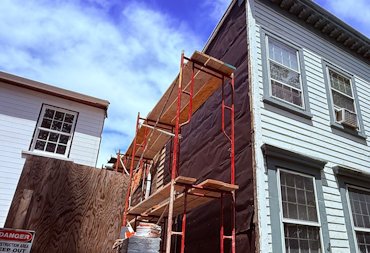
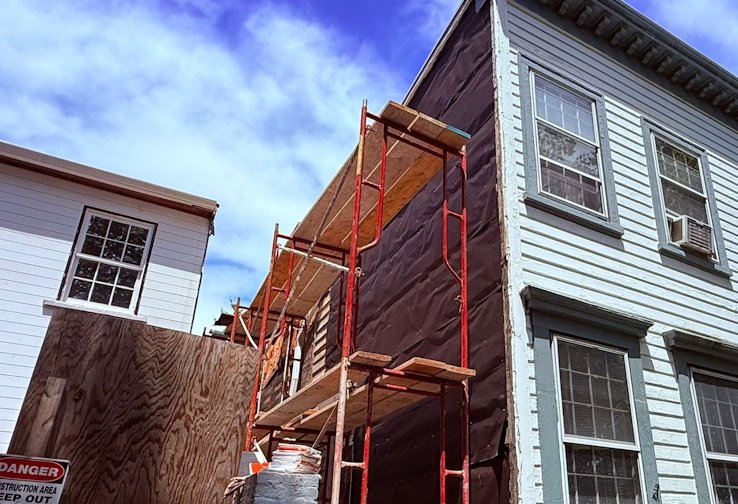
Narrow scaffold was needed to fit between the houses.
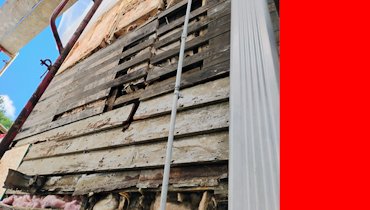
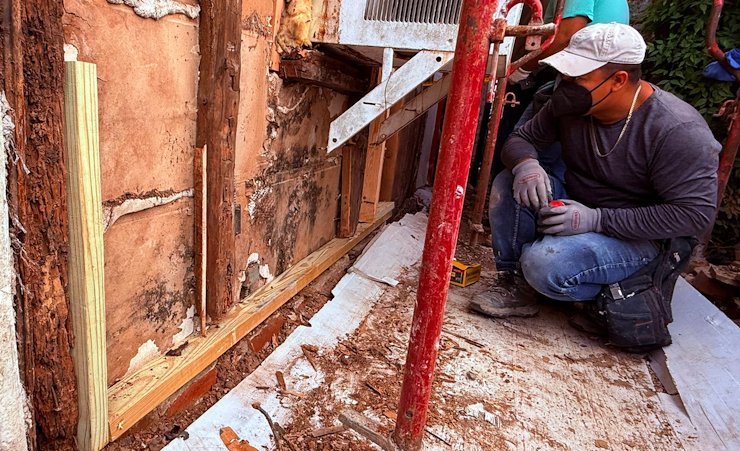
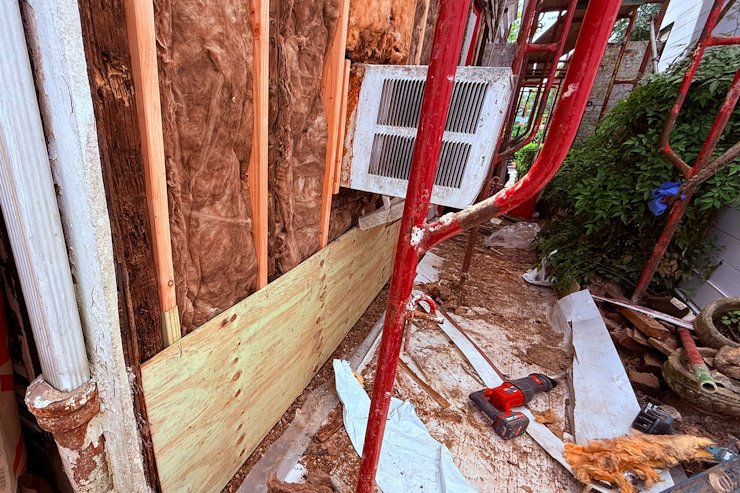
The back of the house had two additions built over the years that leaked and rotted the framing.
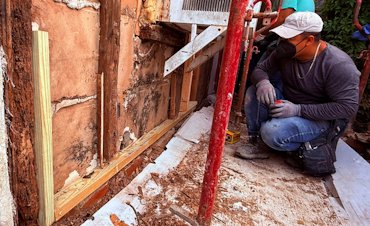
The bottom plate and sections of rotted studs at the bottom were replaced with pressure treated 2 X 4's.
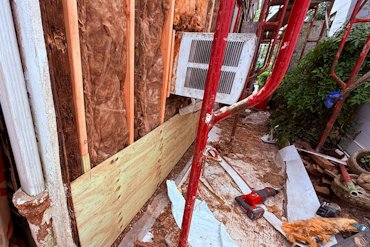
We put in new studs, new insulation, and pressure treated plywood at the bottom.
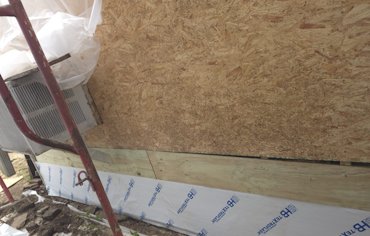
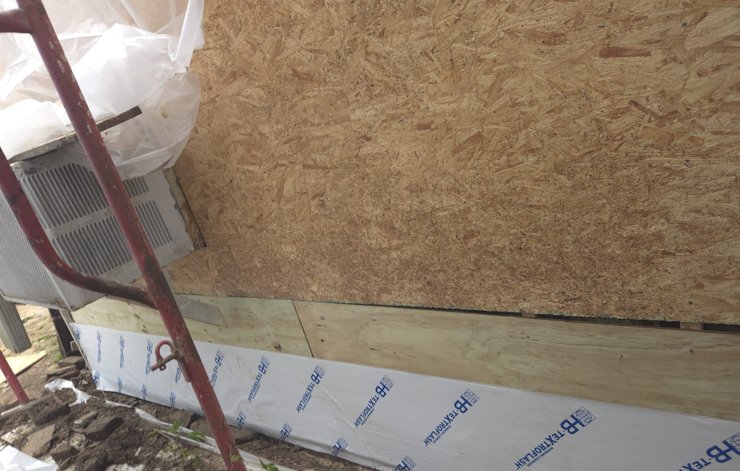
We put on new OSB and a peel and stick rubber membrane at the bottom.
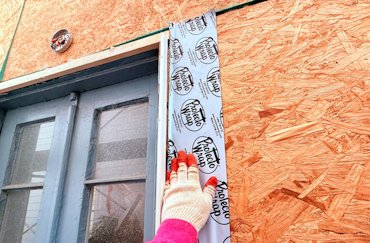
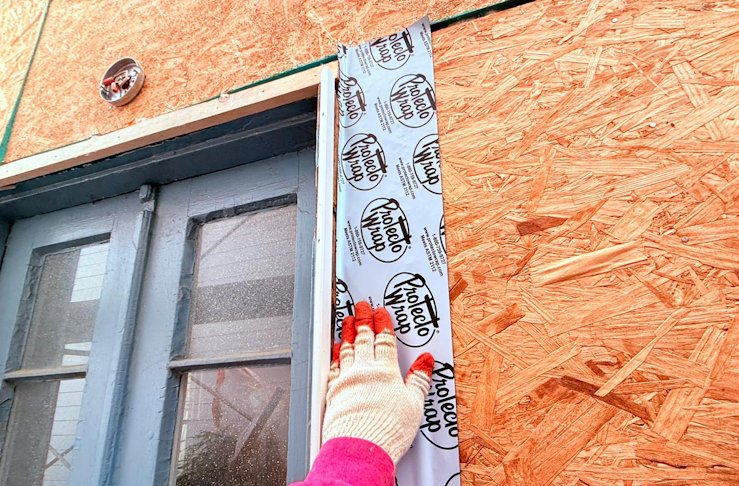
Protecto-wrap was put on the sides of the window and door trim folded over
the sides about a half inch. No way this is going to leak.
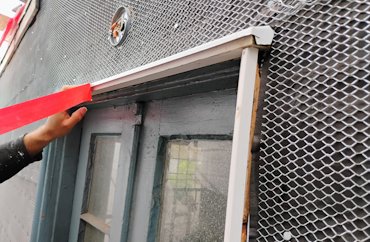
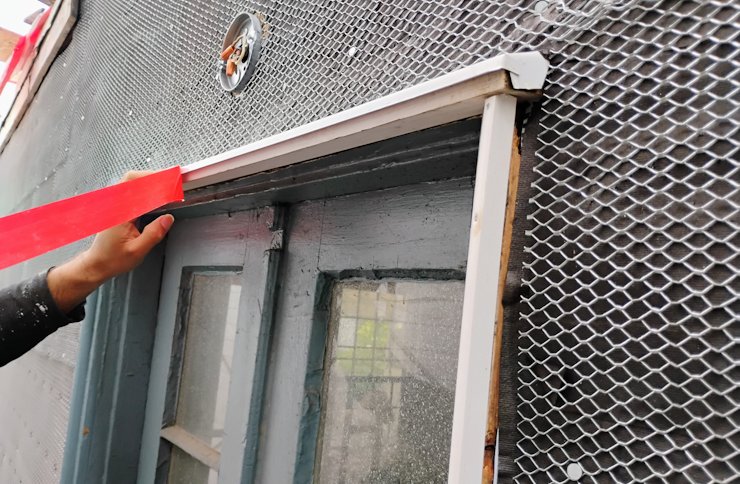
Metal flashing is put on over the windows and doors correctly angled forward.
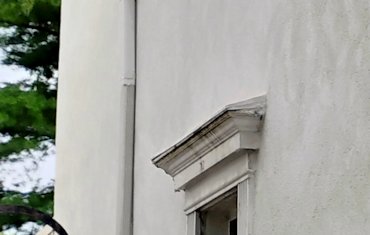
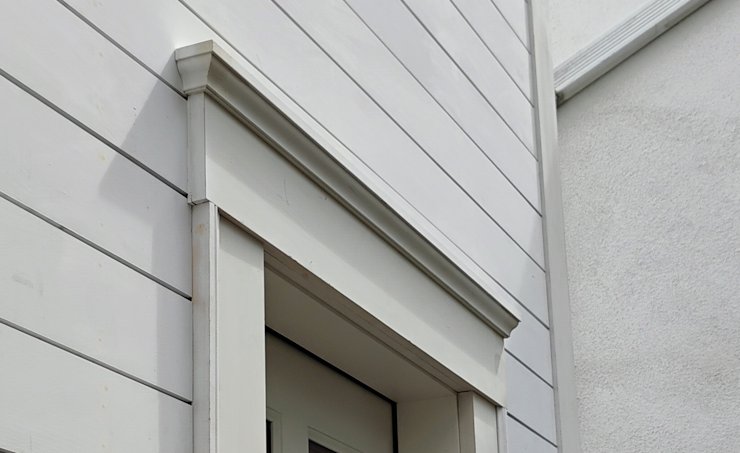
We put on new flashing over the front door trim.
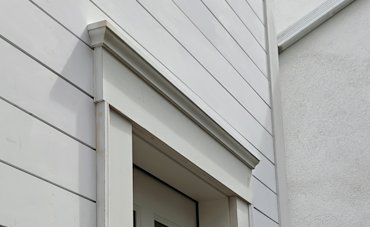
The freshly renovated house next door doesn't have any flashing over the door trim. This is built to leak and rot.
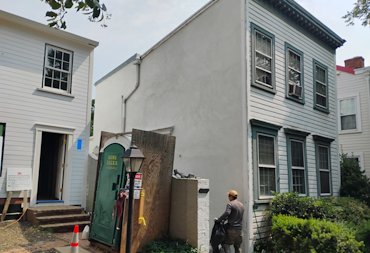
Another finished project.